CN
CN










 Home
Home DFM
DFM  Sep 01,2025
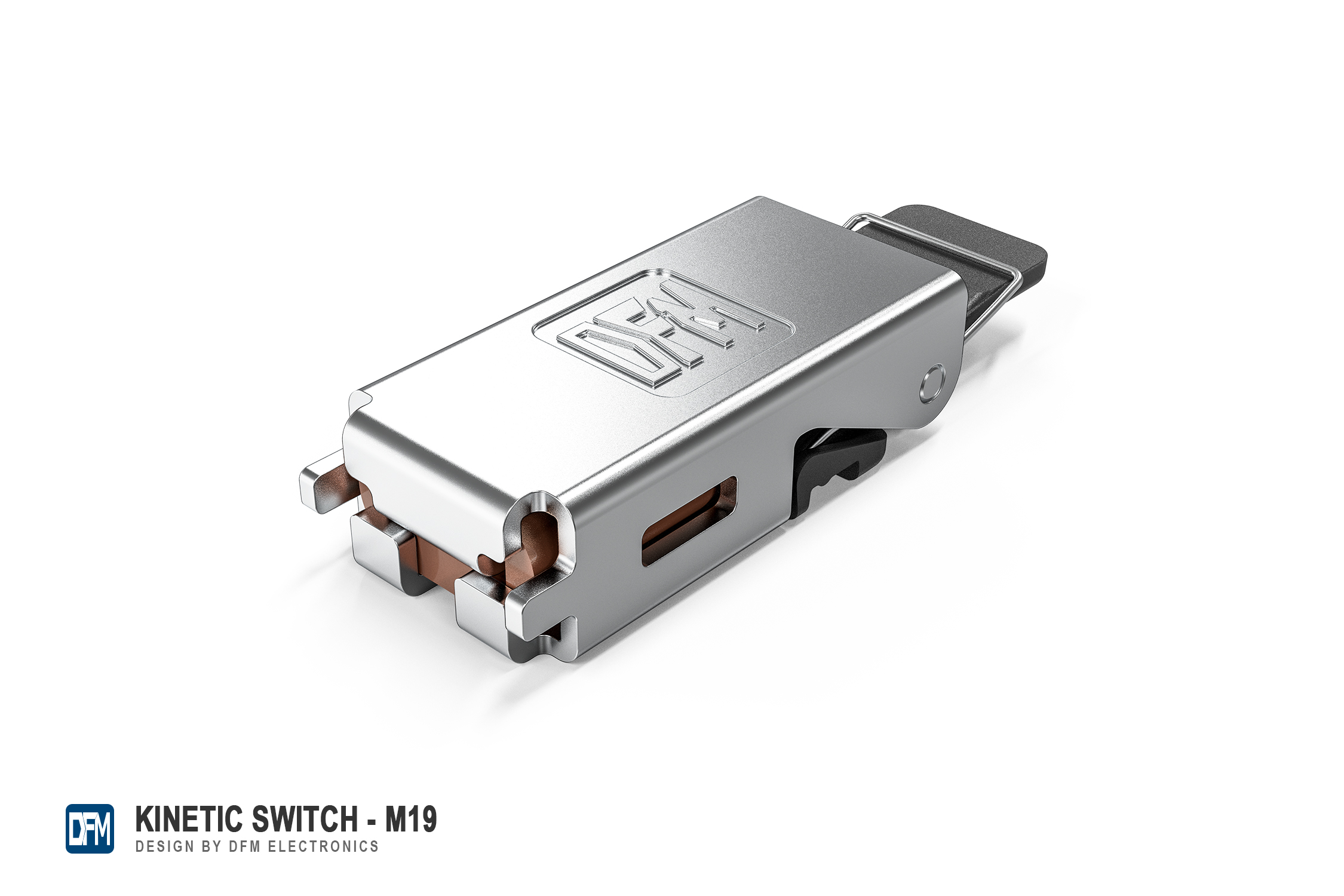
The environmental benefits of wireless kinetic switches are substantial. The International Energy Agency (IEA) estimates that over 50 million tons of electronic waste are generated globally each year, with disposable batteries accounting for a significant portion—many of which end up in landfills or incinerators, leaking toxic chemicals into soil and air. By eliminating battery use, kinetic switches reduce this waste stream entirely.
Additionally, the absence of wiring reduces material consumption during installation. Traditional wired switches require copper cables, plastic sheathing, and labor-intensive setup—all of which have carbon footprints associated with manufacturing and transportation. Wireless kinetic switches, by contrast, can be installed in minutes on any surface (walls, furniture, or even glass), minimizing resource use and construction-related emissions.
Versatility for Homes, Offices, and Beyond
Wireless kinetic switches are not limited to smart homes—their durability and flexibility make them ideal for commercial and industrial settings too. In offices, they can control lighting or HVAC systems in meeting rooms without requiring rewiring during space renovations. In hotels, they offer guests easy control of room amenities while reducing maintenance costs for staff. Even in outdoor environments, weather-resistant models can manage garden lights or pool pumps, as they are not vulnerable to water damage from battery compartments.
Many leading manufacturers have also integrated compatibility with popular smart home platforms, such as Apple’s HomeKit, Google Home, and Amazon Alexa. This means users can sync kinetic switches with their existing smart ecosystems, combining sustainability with the convenience of voice control or automated scenes (e.g., “goodnight” modes that turn off all lights with one press).
 No More Batteries or Wiring! Wireless Kinetic Switch Technology Breaks Through, Ushering in a Low-Carbon New Paradigm for Smart Homes